




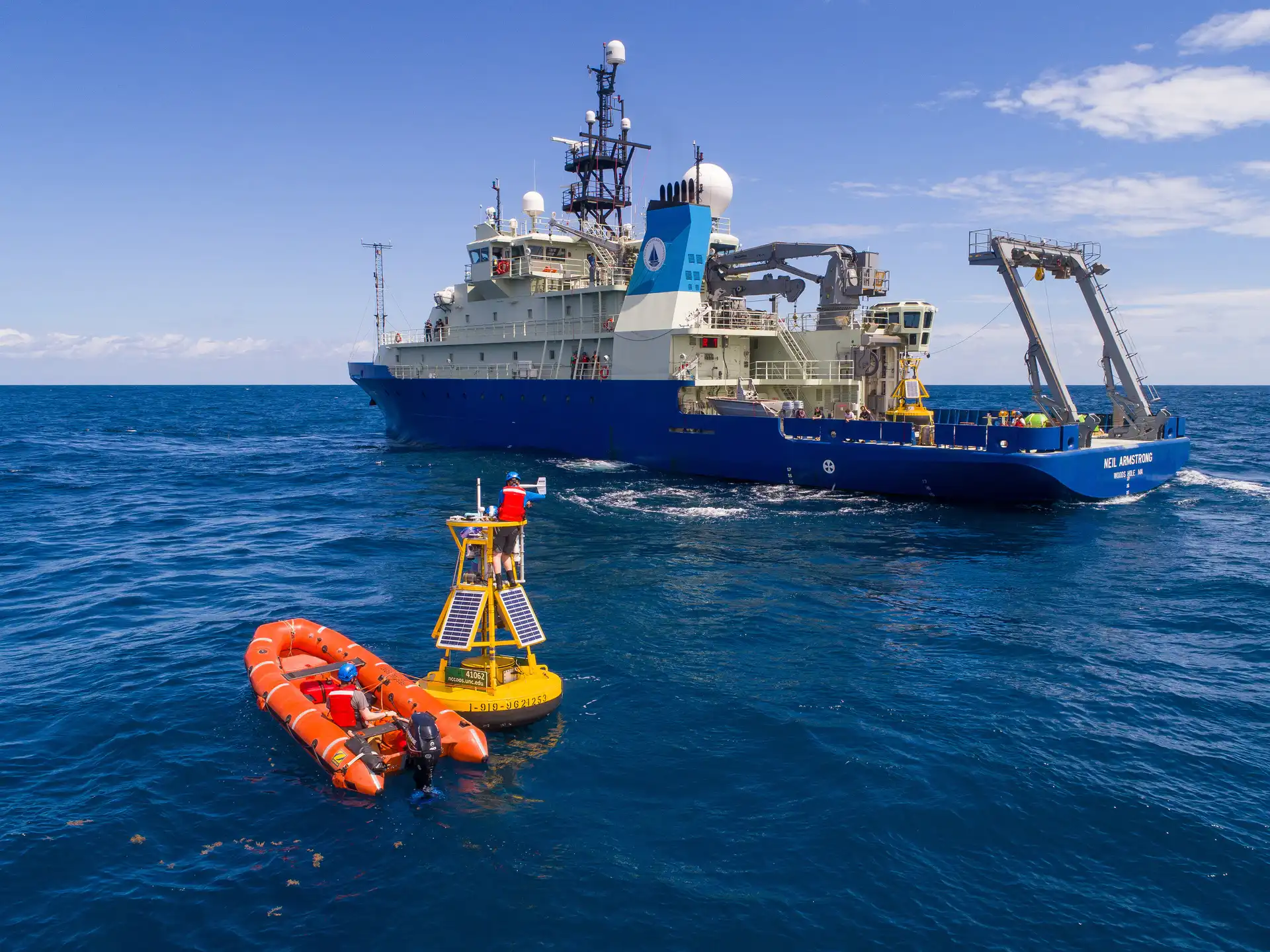
Additional Information
What Will I be Doing?
Graduate students will engage with their mentor to conduct marine energy research as proposed in the research plan, while postgraduates will collaborate with their mentor to advance marine energy through experiential learning as outlined in the proposed research plan.
Graduate students will spend a minimum of six months, while postgraduates will spend a minimum of 12 months, at the host facility, virtually, or onsite during their one-year appointment.
Why Should I Apply?
As a fellow in the Marine Energy Fellowship Program, you will:
- Enhance your education and training in hydropower and hydrokinetics technologies related to marine energy.
- Advance your Master’s or Doctoral thesis, dissertation, or marine energy research (Graduate Student Track).
- Strengthen your marketable skills in marine energy-related disciplines.
- Collaborate with top scientists and access state-of-the-art equipment.
- Gain deep insight into research and career opportunities through immersion at your host facility.
- Work alongside experts developing and testing emerging technologies.
- Learn about career paths in marine energy research and related fields.
- Receive mentorship to support your next career step.
2026 Fall Cohort of Marine Energy Fellows
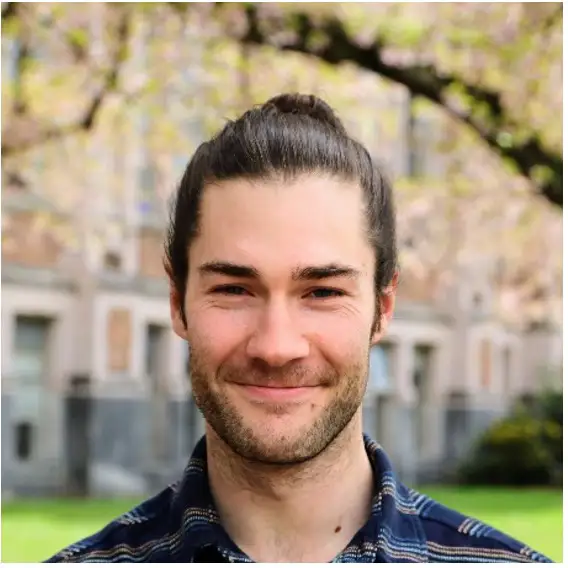
Ari Athair
Proposed Research Topic
Design of optimal control strategies for field-scale tidal turbines experiencing strong channel blockage and flow fluctuations.
Host Facility
Pacific Northwest National Laboratory
Personal Interests and Fun Details
When not actively doing research, Ari enjoys making the most of the outdoors through rock climbing, running, and mountaineering. Additionally, in the water, he enjoys river snorkeling through rapids and freediving, which have provided a tactile avenue to experiencing the fluid dynamics that drive marine energy technologies.
Why Marine Energy?
Ari’s interest in marine energy was influenced by growing up on the Washington coast and observing coastal communities in Alaska that rely heavily on diesel generation. Additionally, traveling through rural regions in South America reinforced the global need for reliable energy solutions. These experiences have motivated Ari’s desire to advance marine renewable energy, aiming to improve energy security and resilience, particularly for underserved communities.
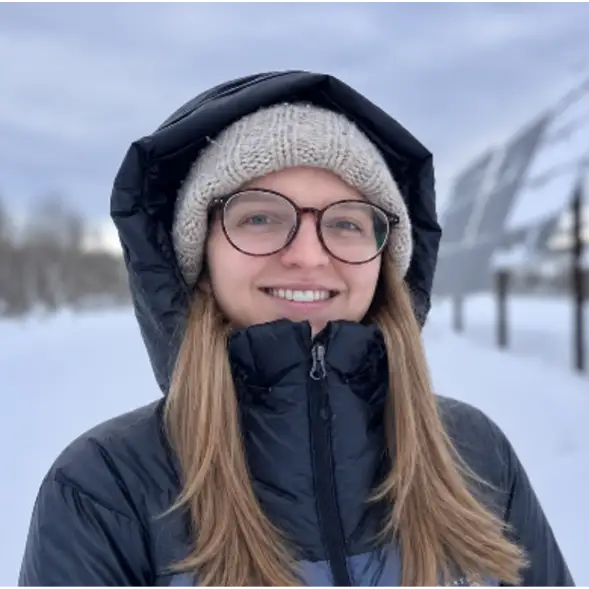
Courtney Beringer
Proposed Research Topic
Supporting wave, tidal, and river energy projects in Alaska through technical assistance programs, the development of the Deployment Readiness Framework tool, fieldwork, and teaching.
Host Facility
National Laboratory of the Rockies
Personal Interests and Fun Details
Alaska is never short on outdoor adventures, and Courtney enjoys exploring its mountains, rivers, and ocean, as well as harvesting delicious berries, plants, and fish with her wife and corgi. She grew up in Iowa, where she learned to swing dance and now cherishes dancing in every city and country she visits.
Why Marine Energy?
Courtney fondly recalls a house energy-efficiency kit she brought home from elementary school that her parents helped her install. From then on, she has fueled a passion for the environment, energy, and engineering. Marine energy sits at the intersection of these interests, and Courtney believes it is a promising solution for our energy needs.
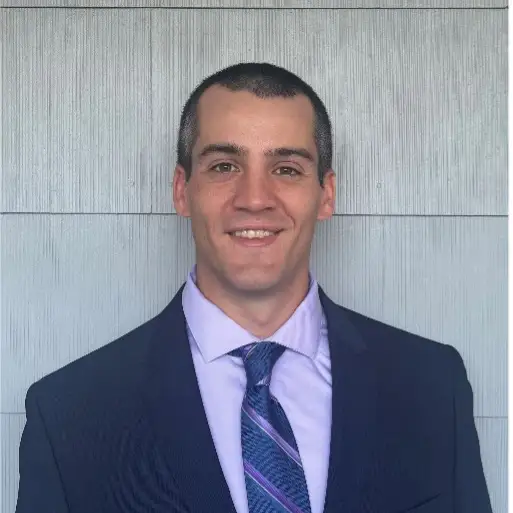
Mason Bichanich
Proposed Research Topic
Experimentally evaluating various strategies for obtaining the blade root bending moments and along-blade strain of marine turbines operating in energetic tidal Environments.
Host Facility
National Laboratory of the Rockies
Personal Interests and Fun Details
In the summer months, Mason enjoys fishing, kayaking, and riding his motorcycle, and in the winter, snowboarding and ice fishing. Being raised in rural Wisconsin gave him a lifelong appreciation of nature and being on the water, and many of his hobbies (and his work) have allowed him to stay connected with the outdoors.
Why Marine Energy?
Mason’s interest in marine energy arises from the growing need to reduce dependency on fossil fuels and an opportunity to combine both field and laboratory research. Through the ORISE Marine Energy Fellowship, he is excited to help advance marine energy by improving the techniques used to quantify structure health and performance of marine turbines.
Ana Chavez
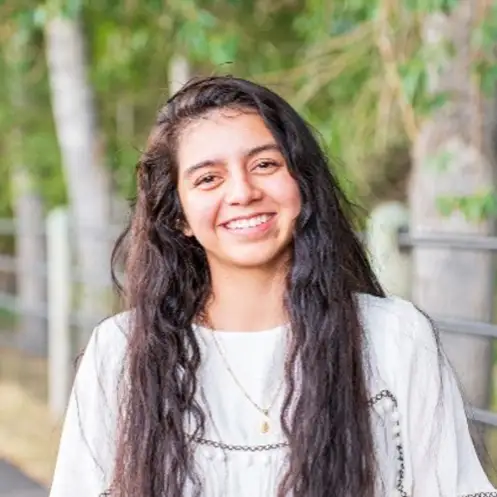
Proposed Research Topic
Studying the mechanisms, monitoring, and mitigation of biofouling on composite materials.
Host Facility
Pacific Northwest National Laboratory
Personal Interests and Fun Details
Apart from her research, Ana enjoys doing anything outdoors like camping, skiing, hiking, and running. Indoor hobbies include chess, reading, and occasionally building LEGO sets.
Why Marine Energy?
Ana’s interest in marine energy grew due to its sustainable and renewable nature. Even though it is a highly predictable energy with vast resource a downside is the harsh environment caused by ocean salt water often leading to expensive maintenance. This is where Ana’s intended research area lies, and through the development of her project she hopes to contribute to challenges in growing marine energy sectors.
James Elekwachi
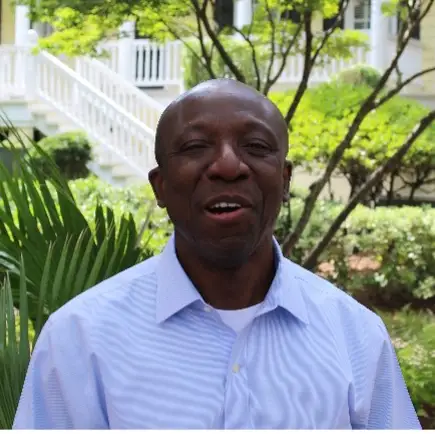
Proposed Research Topic
Market Driven Pathways for Marine Energy Adoption: End-User Engagement, Design Tradeoffs, and Market Entry Strategies for Wave Energy Technologies
Host Facility
CalWave Inc.
Personal Interests and Fun Details
Outside of research, James enjoys watching and playing soccer, traveling, and listening to music. Growing up and working in coastal communities inspired his long-standing interest in coastal resilience, sustainable development, renewable energy, and marine energy.
Why Marine Energy?
James's interest in marine energy stems from his experience designing and promoting renewable energy solutions in the coastal communities of the Niger Delta. During his graduate studies at the University of Massachusetts Boston, a course on the economics of renewable energy deepened his interest in marine energy and its potential to provide reliable, sustainable power for coastal communities. Building on his expertise in Market Systems Development (MSD), his fellowship research will examine stakeholder incentives, end user needs, and market entry strategies to help accelerate the commercialization and community adoption of wave energy technologies.
Isabel Garcia
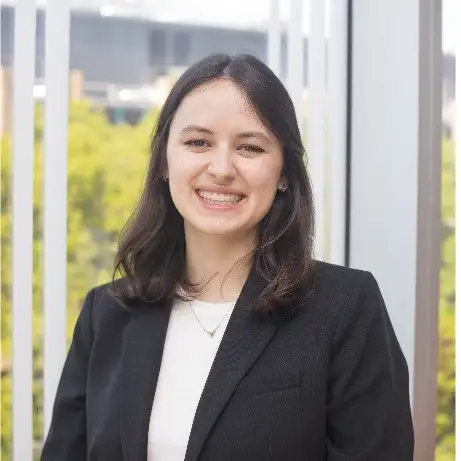
Proposed Research Topic
Investigating how material coatings, depths, and flow conditions affect biofouling on Sitkana’s technology.
Host Facility
Sitkana
Personal Interests and Fun Details
Outside of research, Isabel loves singing, playing the piano, and arranging music. She also enjoys hiking, baking, and cooking. She’s looking forward to exploring the wildlife and nature of Alaska.
Why Marine Energy?
She sees marine energy as an important intersection between engineering and ocean sciences and is fascinated by all the various technologies to harness energy from the sea. Isabel believes marine energy is the next path forward for renewable energy.
Sara Hartke
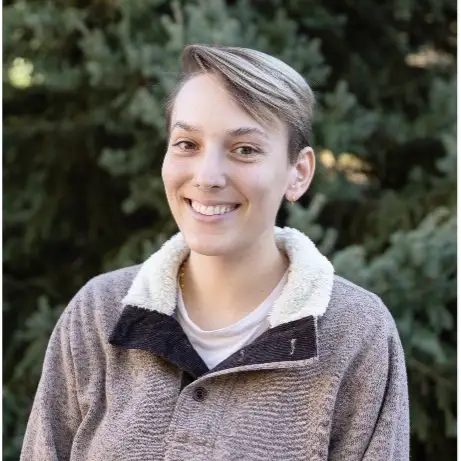
Proposed Research Topic
Technical challenges associated with modeling cross flow turbines: active and passive pitch control
Host Facility
Pacific Northwest National Laboratory
Personal Interests and Fun Details
Outside of research, Sara spends time hiking, playing ice hockey, and puzzling. She enjoys long lakeside walks with their dog accompanied by Marina and Orville Peck in her headphones. Some of her favorite things about living in Madison while in grad school include break walks to visit the koi at on-campus gardens, the smell when lilac trees bloom in the spring, sunsets over Lake Mendota at a tiny park, and walking to work in the snow.
Why Marine Energy?
Growing up in Alaska, surrounded by the mountains and a wealth of water, seeded an early love of nature for Sara. Finding a passion for energy analysis and policy nestled alongside enjoyment of mechanical engineering coursework during her undergraduate program narrowed into marine energy research during graduate school. Now, her research on computational modeling of small-scale hydrokinetic turbines intersects with her interests in both fluid dynamics and renewable energy.
Tanvir Shifat
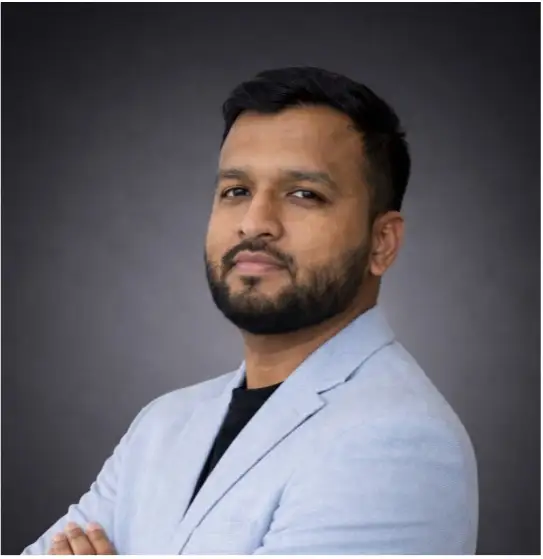
Proposed Research Topic
Reinforcement Learning-Based Control of CalWave's Pressure-Differential Wave Energy Converter
Host Facility
CalWave Power Technologies, Inc.
Personal Interests and Fun Details
Outside of research, Tanvir enjoys road trips, hiking, and exploring new places. He is excited about marine energy because it connects advanced controls research with reliable clean power from the ocean.
Why Marine Energy?
Tanvir is passionate about sustainable energy and sees marine energy as a promising path for clean, reliable power generation. He is especially interested in the field because it brings together electrical engineering, control systems, and real-world energy challenges. This fellowship gives him the opportunity to apply both physics-based modeling and data-driven technologies to advance energy harvesting from ocean waves.
Ava Thornton
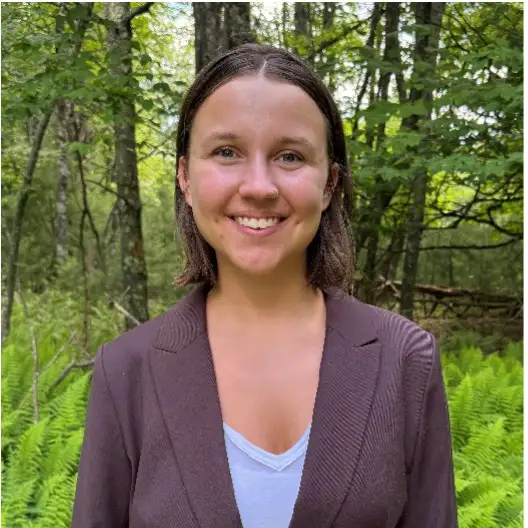
Proposed Research Topic
Optimizing the design and control strategy of a Wave Energy Converter (WEC) with WECOptTool for integration with offshore aquaculture mooring arrays.
Host Facility
Kelson Marine Co.
Personal Interests and Fun Details
Outside of research, Ava loves yoga, reading thrillers and mystery books, and spending time with friends. She is originally from North Carolina, and enjoys birdwatching and exploring nature in the Appalachian Mountains, which has allowed her passion for field work and research to grow.
Why Marine Energy?
Ava finds marine energy exciting, as it is a renewable power resource that bridges the gap between addressing the demand for power generation and utilizing sustainable resources. Pursuing this opportunity directly aligns with Ava’s goal of innovating sustainable power generation, and integrating advancements in marine energy technology applications is an exciting endeavor to support Ava’s goal.
Jackson Wills

Proposed Research Topic
Development of a System Design Tool for Hybrid Marine Renewable Energy Platforms
Host Facility
Ocergy
Personal Interests and Fun Details
Jackson enjoys dinner parties, soccer, tennis, skiing, crafts, and reading. He is still looking for a way to combine these into a single activity.
Why Marine Energy?
Marine energy is a huge opportunity to make a significant positive impact. There is so much room for improvement and that makes it a super exciting field to get to work in. There are breakthroughs just waiting to be made that can really help people.
2026-2027 Summer Cohort of Marine Energy Fellows
Asta Habtemichael
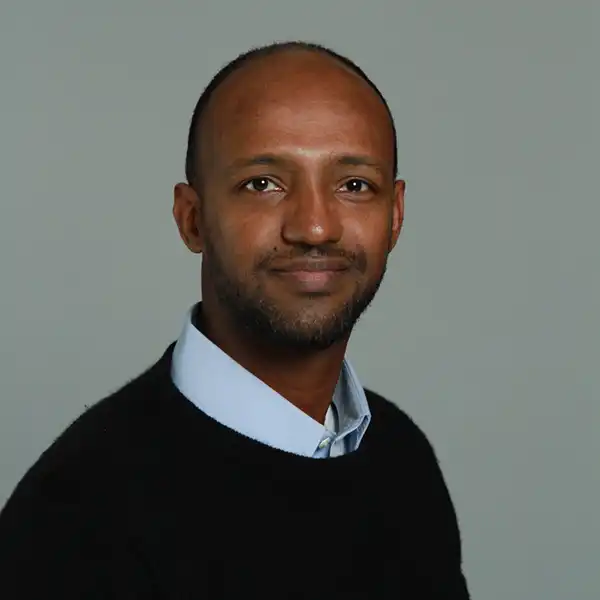
Proposed Research Topic
AI applicability in decision making and trust perceptions by regulators for water power technologies
Host Facility
Pacific Northwest National Laboratory
Personal Interests and Background
Dr. Asta Habtemichael is a mixed method researcher who is committed to enhance energy production capabilities through the introduction of new technologies with sound integration of science into policy. When not doing science, Asta enjoys playing soccer, running, and hiking.
Why Marine Energy?
The idea of harnessing marine energy to generate power for remote island communities to provide cheaper and reliable power sources has been a quest of science and engineering. With a background in ocean science and policy, Asta believes the current technological advances will lead to the realization the dream.
Ava Hermes

Proposed Research Topic
Differentiable Hydrodynamic Modeling for Geometry Optimization of Wave Energy Converters
Host Facility
Sandia National Laboratories
Personal Interests and Background
During her free time, Ava loves rock climbing and snowboarding.
Why Marine Energy?
Ava is excited to contribute to the field of marine energy. The opportunity to support its growth motivates her, especially with improving sustainable energy for the future.
Megan Hinks
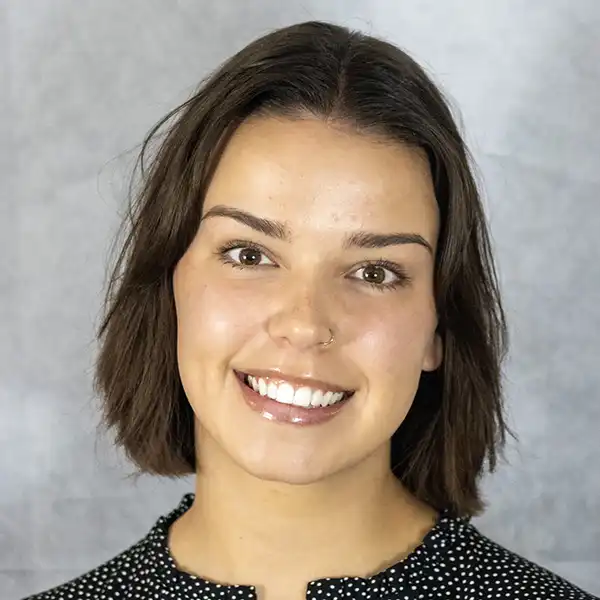
Proposed Research Topic
Spatial analysis of the levelized cost of water (LCOW) from the theoretical deployment of wave-powered desalination devices in U.S. coastal waters, focused on the west coast and island territories.
Host Facility
Kelson Marine Co.
Personal Interests and Background
Outside of research, Megan loves the outdoors and traveling. She enjoys running, reading, scuba diving, and art and music in all forms. She strives to be a lifelong learner in every facet of her life, from her career in research to her day‑to‑day experiences.
Why Marine Energy?
Megan was born in St. Croix and maintains her ties to the island and the rest of the Caribbean through family friends that have lived there over the years. Their adaptations to hurricanes and climate change stand as a testament to the resilience of island communities and have served as a source of inspiration for the development of innovative solutions to complex modern problems, such as the advancements being made in marine energy.
Fazlur Rahman Bin Karim
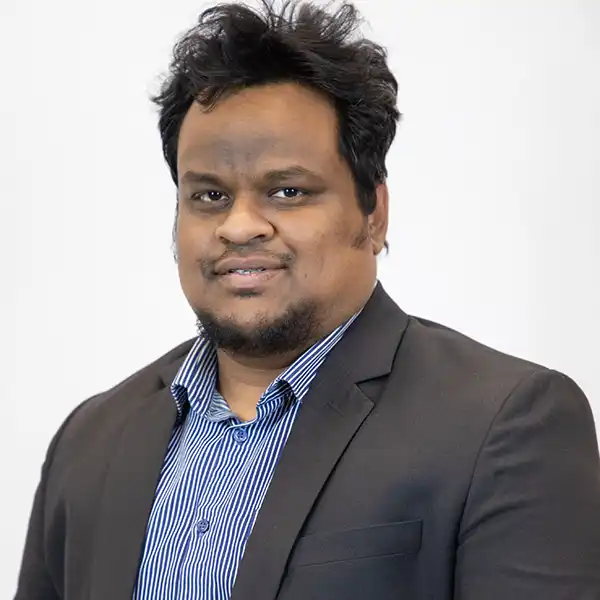
Proposed Research Topic
Reliability Assessment Framework for IVT Gearbox Systems in the Context of Tidal Current Energy Converters
Host Facility
Idaho National Laboratory
Personal Interests and Background
With a deep passion for exploring rugged landscapes and untamed natural wonders, Fazlur brings a curious and adventurous spirit to life’s discoveries. Whether it's late-night thoughts on physics, tech, or life's big questions, he brings a thoughtful and fun energy to every conversation.
Why Marine Energy?
Driven by his passion for marine energy, Fazlur sees it as a transformative force for resilient power generation with immense real-world impact. Through his advanced data-driven condition monitoring capabilities, he masterfully addresses complex technical challenges, enhancing system performance and innovation across the marine energy domain.
Connor Mack
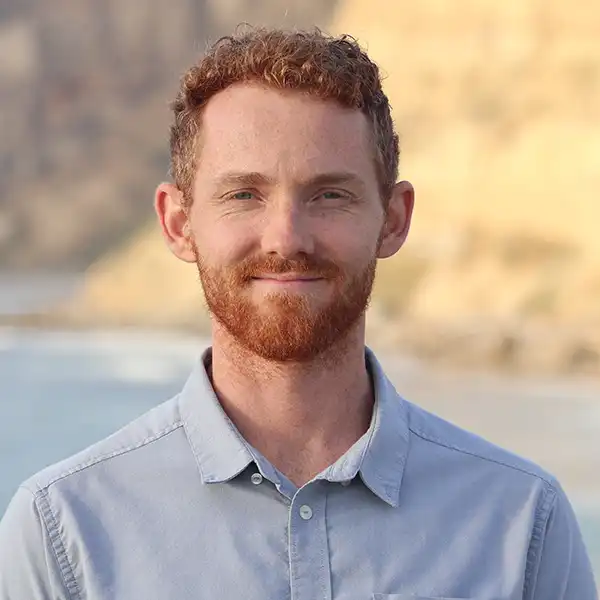
Proposed Research Topic
Exploring opportunities for the co-location of marine energy generation with emerging ocean industries, mapping c-development and commercialization pathways for technologies well-suited for ocean-powered operations.
Host Facility
Pacific Northwest National Laboratory
Personal Interests and Background
Out of research, Connor enjoys rock climbing, trail running, backpacking, skiing, and cycling. He’s looking forward to exploring the mountains and forests of the Pacific Northwest and the waters of Puget Sound.
Why Marine Energy?
Connor applied to the Marine Energy Fellowship because it sits at the intersection of his interests in the ocean, energy, and climate systems. He is particularly interested to explore how marine energy can act as a catalyst for the broader blue economy by providing onsite, reliable power generation for coastal industries. Collaborating with PNNL offers a unique opportunity to bridge fundamental research with real-world deployment strategies and help shape the future of this emerging sector.
Collin Treacy
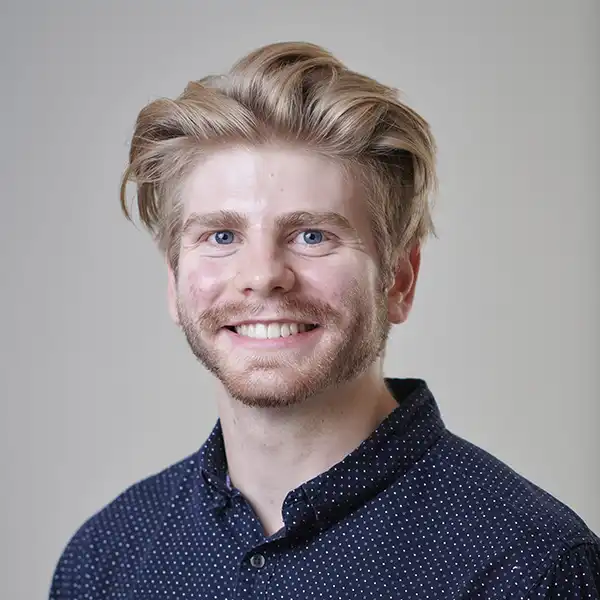
Proposed Research Topic
Development of differentiable hydrodynamic and optimal control software for scalable wave energy converter farm design optimization, which builds upon the previous MarineHydro and WecOptTool projects.
Host Facility
Sandia National Laboratories
Personal Interests and Background
Collin’s fascination with marine energy started as an undergraduate student studying floating offshore wind turbines. Throughout his master's and PhD studies, he has developed an appreciation for nonlinear dynamics, control systems, and design optimization. In his free time, he enjoys scootering, rock climbing, and going to the gym.
Why Marine Energy?
Collin finds marine energy, in particular, interesting due to its untapped potential and unique multidisciplinary coupling. As a PhD student, he sees his research as the perfect fusion of his interests in wave energy and mathematical modeling.
Hannah Walker
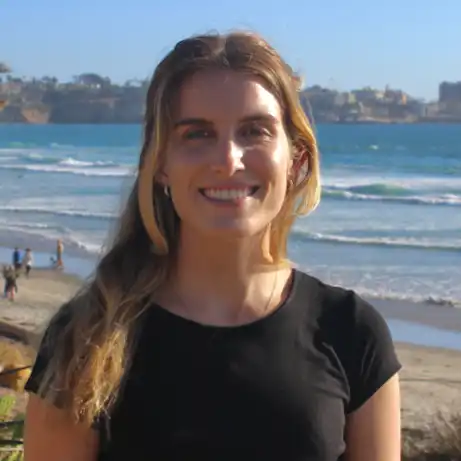
Proposed Research Topic
Development and implementation of a machine learning (ML) guided adaptive control system for the MBARI-WEC to improve power production under variable ocean conditions, including model development, a structured validation process, and Edge AI deployment.
Host Facility
Monterey Bay Aquarium Research Institute
Personal Interests and Background
Outside of researching the ocean, Hannah spends her time in the water spearfishing and surfing. She also enjoys pottery, baking, and sewing. She grew up in San Diego and loves spending as much time outside as possible.
Why Marine Energy?
Hannah is interested in marine energy because it is a readily available resource that can be used to expand ocean study and exploration. Hannah is excited for this opportunity because it combines her current skills and interests to expand the MBARI-WEC capabilities.
Avery Wilson
Proposed Research Topic
Advance numerical coastal modeling capabilities with high-resolution SCHISMs for wave and tidal energy resource assessments along the Northeast U.S. coastline, supporting ocean industry applications.
Host Facility
Kelson Marine Co.
Personal Interests and Background
Beyond her scientific research, Avery enjoys walks with her dogs, crafting, baking, reading, and sailing. As a Colorado native, she has long dreamed of living by the ocean and building a career centered on studying it.
Why Marine Energy?
Avery is drawn to marine energy because it brings together her interests in ocean engineering and physical oceanography. She thrives in interdisciplinary environments and is eager to deepen her understanding of ocean processes to help harness them more effectively and sustainably.
2025 Summer Cohort of Marine Energy Fellows
Courtney Beringer
Proposed Research Topic
Exploring marine energy opportunities in Alaska through community-driven resource assessments, stakeholder engagement, grid integration studies, and field work.
Host Facility
National Laboratory of the Rockies (NLR) - Fairbanks, Alaska
Jason Gonsalves
Proposed Research Topic
Advancing the current state of understanding on the socioeconomic effects of marine energy internationally and to improve upon current approaches for identifying effects.
Host Facility
Pacific Northwest National Laboratory (PNNL)
Aditi Kalle
Proposed Research Topic
Optimizing marine monitoring with a Virtual Twin simulation.This project integrates measured power
profiles of AI processing hardware (Nvidia Jetson Orin) with modeled renewable resources to create highly efficient, long-term operational plans, directly supporting sustainable marine energy.
Host Facility
MarineSitu, Inc.
Michelle Kryl
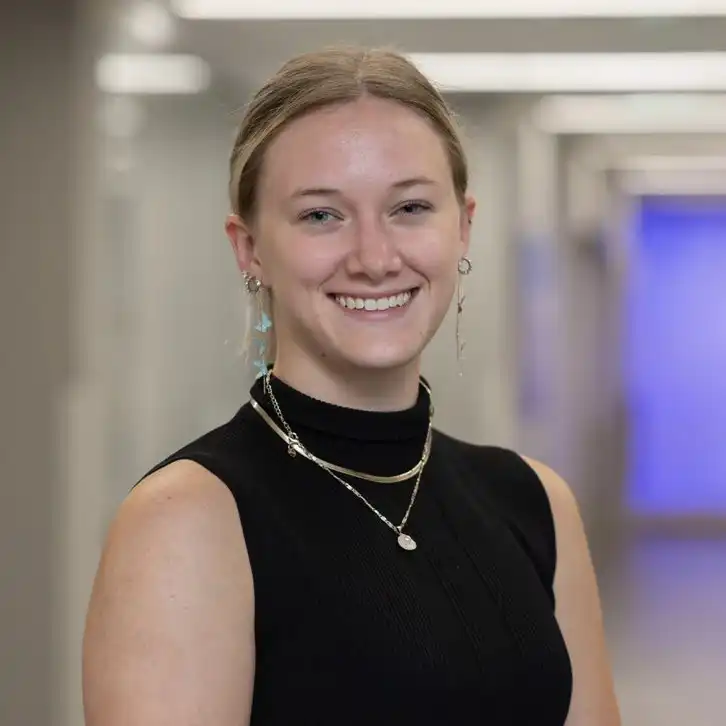
Proposed Research Topic
Development of a streamlined measurement-based method for tidal energy resource assessments using short-term velocity and tidal water level data to estimate energy potential for small-scale tidal applications.
Host Facility
Sandia National Laboratories (SNL) - Albuquerque, New Mexico
Julia Gionet-Gonzales
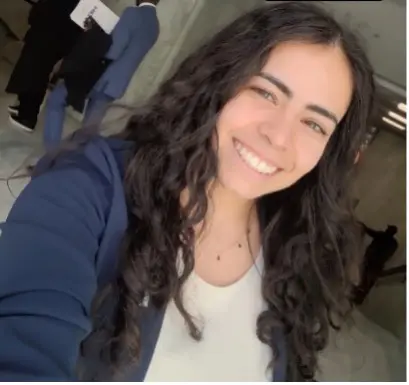
Proposed Research Topic
Development of a numerical model using open-source software to de-risk and guide the design of wave energy converter prototypes.
Host Facility
iPro Tech
Olanrewaju Muili

Proposed Research Topic
Development and experimental validation of deeply embedded anchors for floating offshore energy platforms, integrating finite-element soil–structure interaction, mooring dynamics and uncertainty-aware optimization to improve installation reliability, reduce cost, and enhance lifecycle performance.
Host Facility
Deep Anchor Solutions
Alexander Nordone
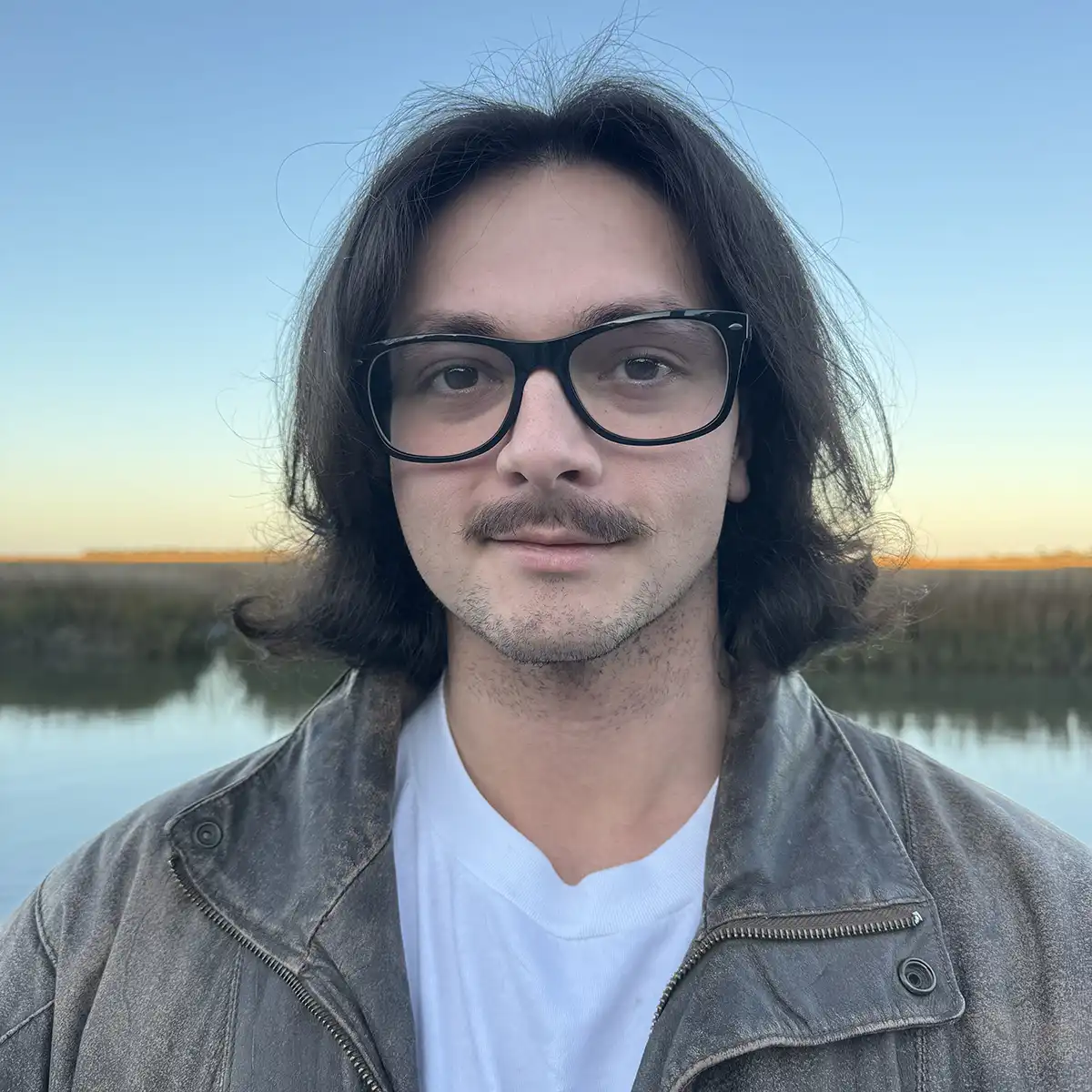
Proposed Research Topic
Analyzing changes in inorganic carbon chemistry due to Ocean Alkalinity Enhancement as a method for carbon sequestration utilized in Marine Carbon Dioxide Removal
Host Facility
Pacific Northwest National Laboratory (PNNL)
Jeremy Simmons
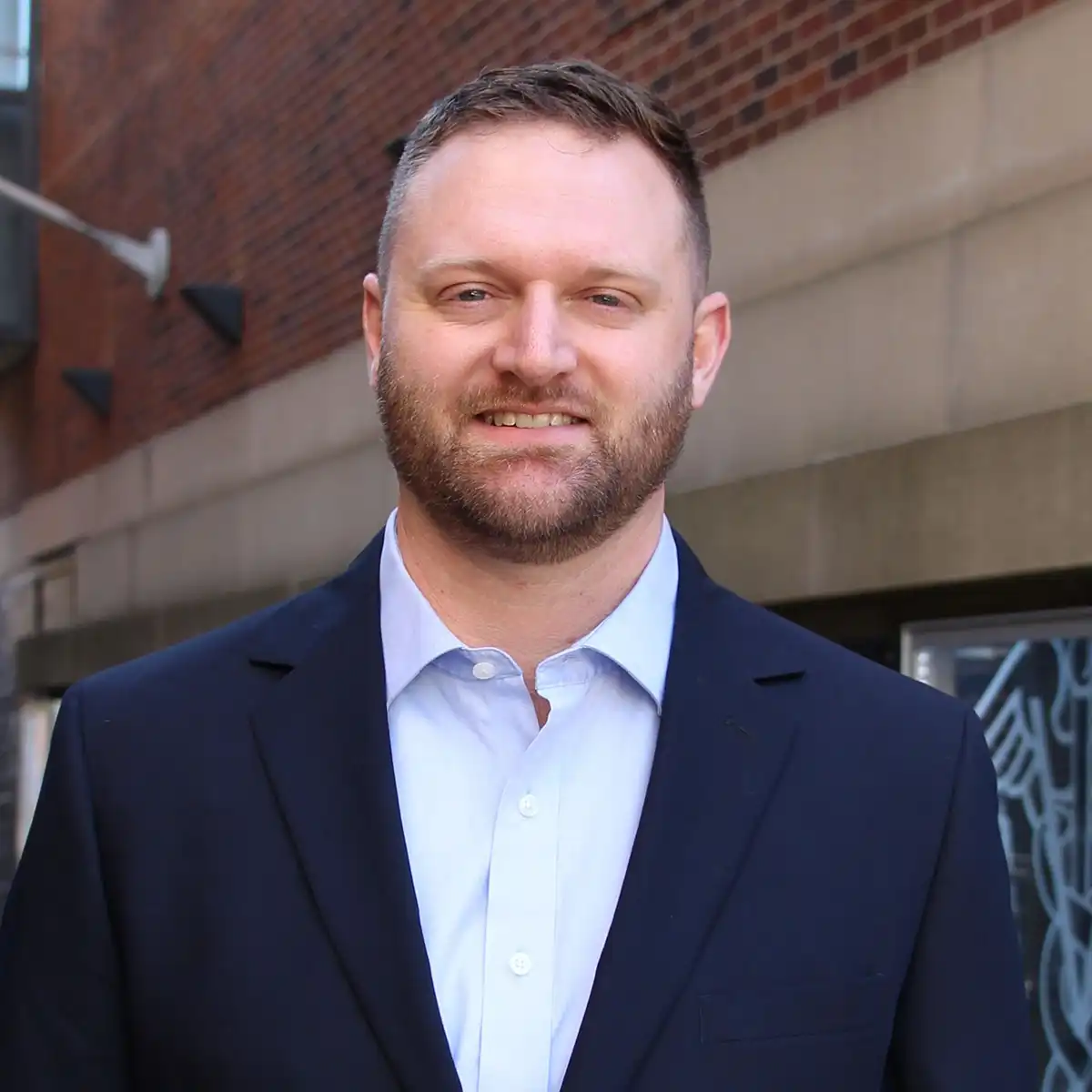
Proposed Research Topic
Development and optimization of hydraulic power systems for marine energy converters, integrating dynamic system modeling with real-world deployment insights to accelerate technology commercialization pathways in the offshore renewable energy sector.
Host Facility
Blackfish Engineering
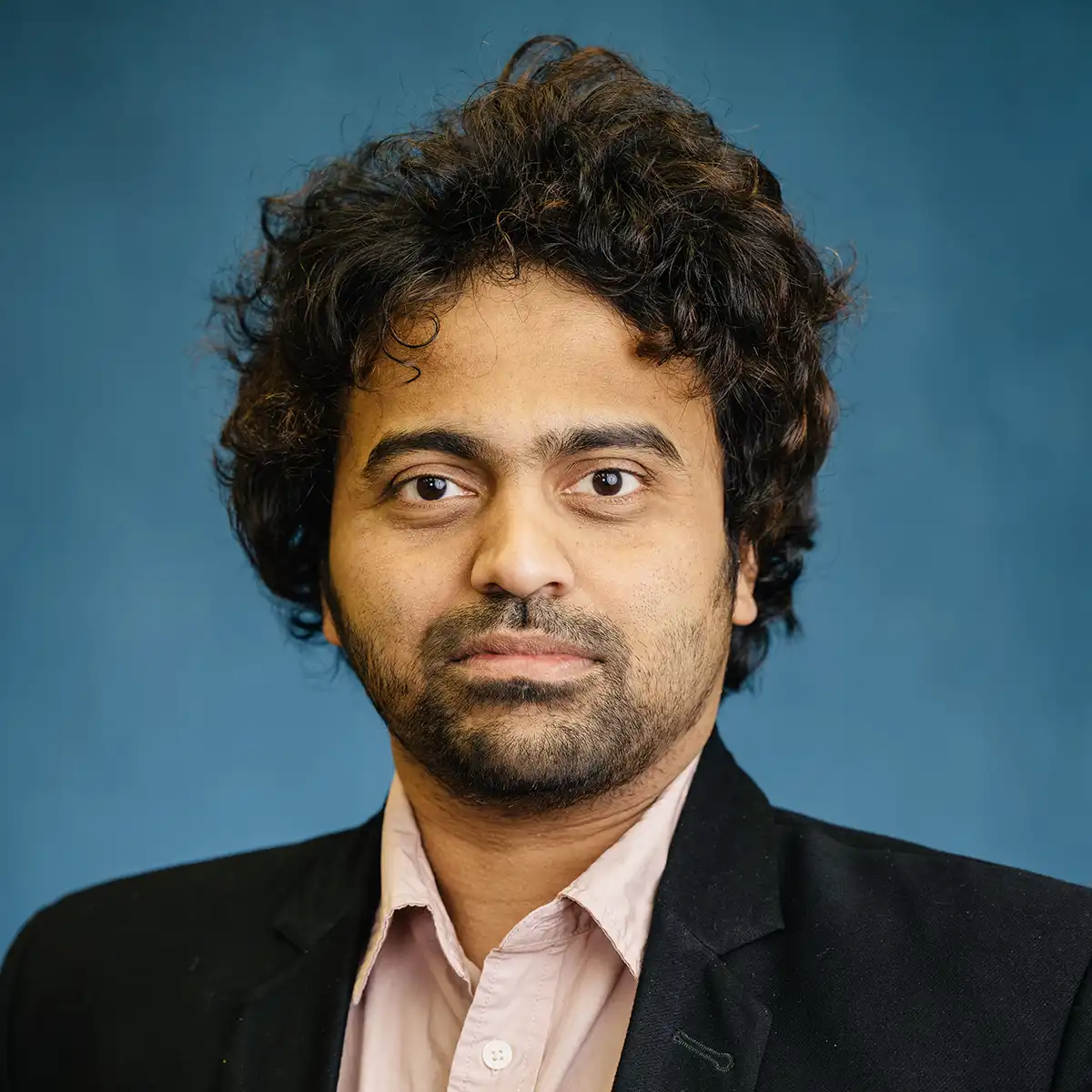
Vishnu Vijayasankar
Proposed Research Topic
Advancing sustainable wave energy solutions tailored to remote and tribal communities. This project integrates social, environmental, and technical perspectives to support equitable energy planning and deployment.
Host Facility
National Laboratory of the Rockies (NLR)
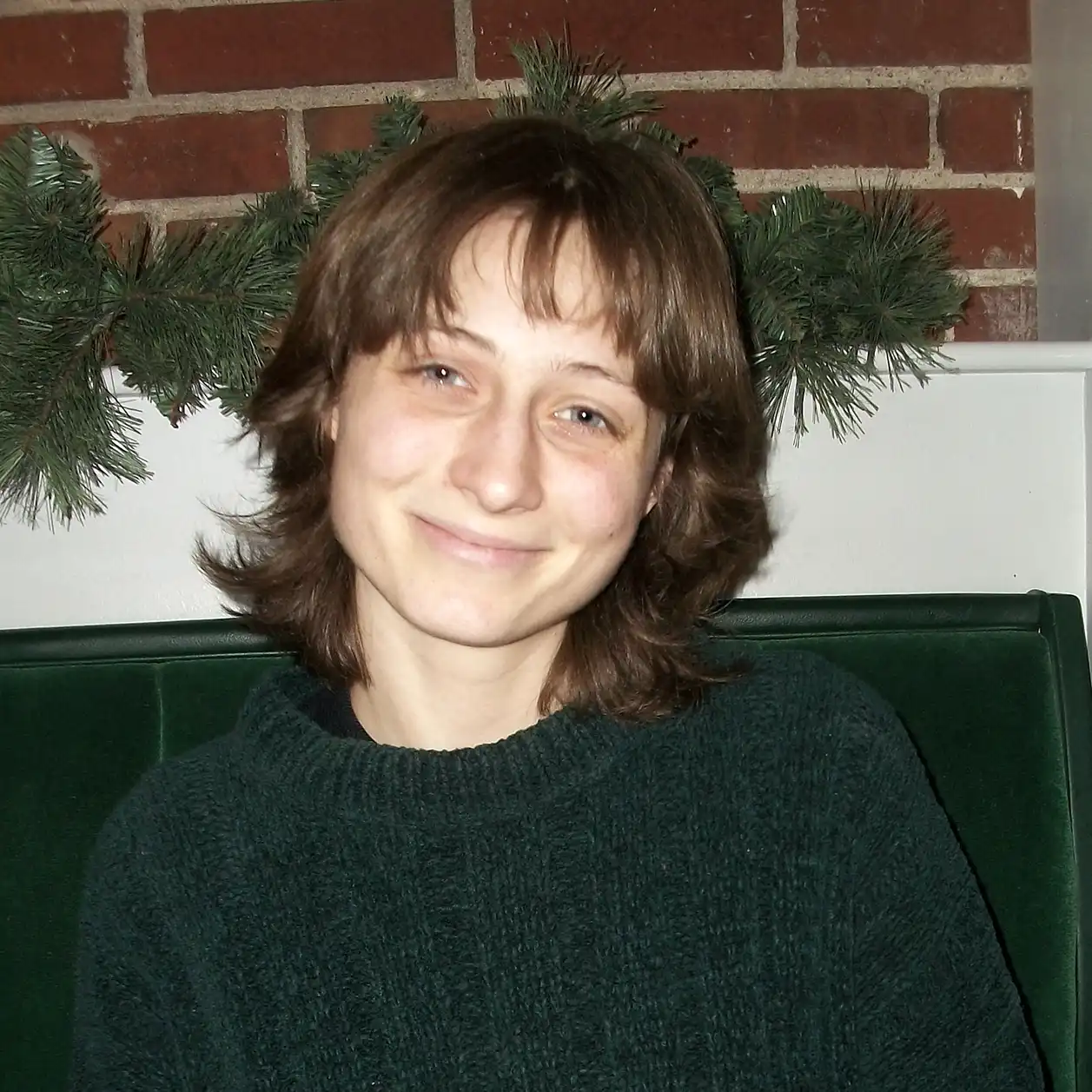
Olivia Vitale
Proposed Research Topic
Analysis and development of ocean-deployed wave energy converters with emphasis on generator design, data analysis, and WEC-Sim modeling.
Host Facility
Triton Systems, Inc.